January 12, 2006
Why Most Forex Traders Fail Before They Start
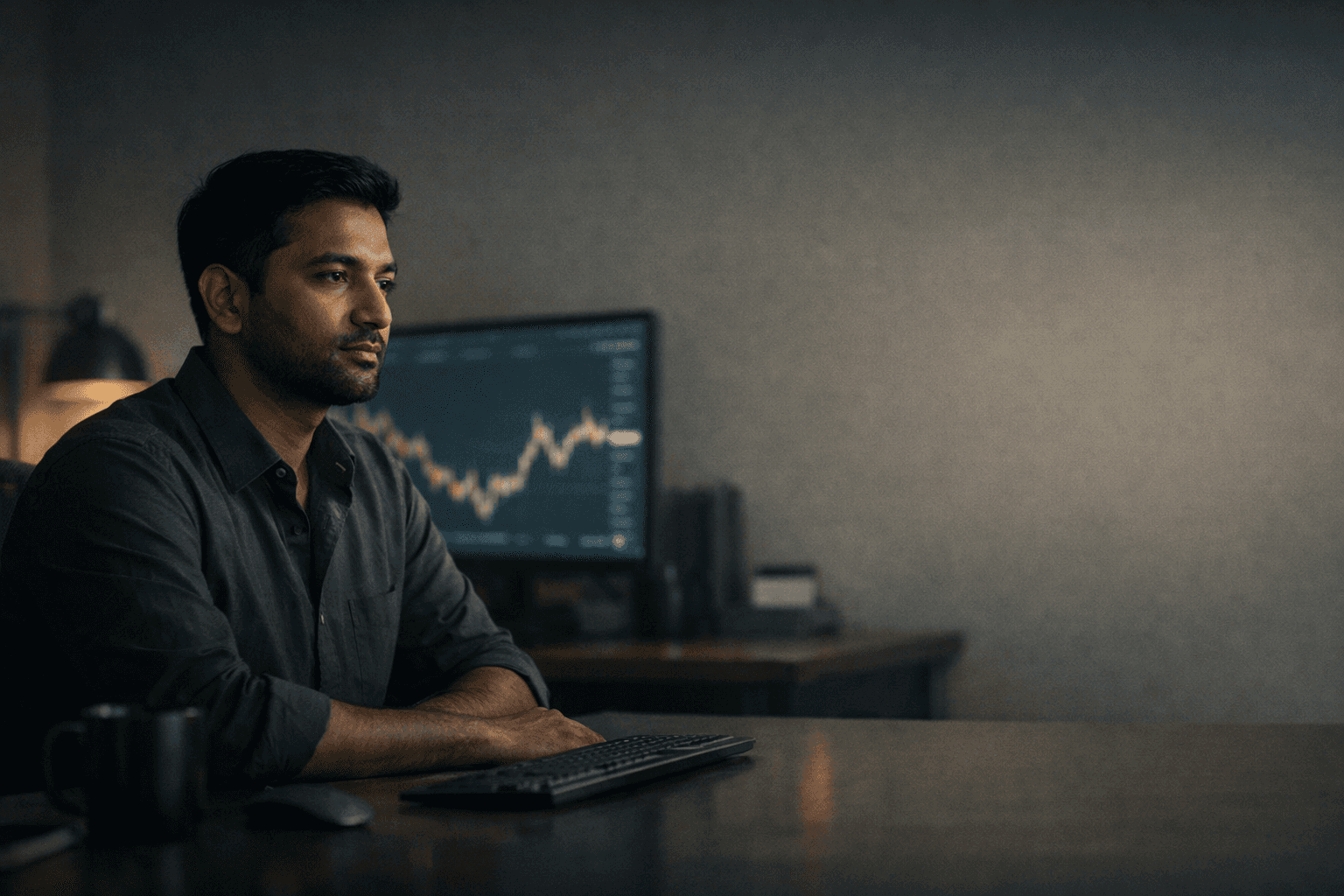
Why Most People Fail in Forex (And It Has Nothing to Do With Strategy)
If you ask ten beginner traders why people fail in Forex, most of them will give you the same answers. They’ll blame the strategy, the signals, the broker, or “big players” trapping small traders. It sounds logical, and it feels comforting, because it shifts responsibility away from the trader.
But when you spend enough time watching real people trade, a different picture starts to appear.
Most people fail in Forex long before they ever place their first real trade. And the reason has nothing to do with charts, indicators, or market structure.
The failure begins much earlier — in expectations, mindset, and the way Forex is first introduced to them.
The Story No One Really Talks About
This story is so common that almost every trader recognizes it, even if they don’t like admitting it.
Someone discovers Forex through YouTube, Facebook, or Instagram. They see screenshots, luxury cars, fast profits, and confident voices talking about “consistency” and “freedom.” No one directly says it, but the message is clear: if you’re not trading Forex, you’re missing out.
So they open a demo account. Things go well. Trades hit profit. Losses don’t hurt. Confidence grows quickly. The market feels easy.
Then they open a real account.
That’s when everything changes.
The same setup, the same entry, the same strategy — yet the experience feels completely different. Losses suddenly feel heavy. Profits feel urgent. The trader starts watching every tick, every candle, every small move.
And the strategy that worked yesterday now feels broken.
The market didn’t change. The trader did.
This is the part no indicator can fix.
Forex Is Not a Machine — It’s a Mirror
Many beginners approach Forex as if it’s a machine. Press the right buttons, follow the right rules, and money comes out. Others treat it like a math formula or a fixed system that should work the same way every time.
In reality, Forex behaves more like a mirror.
It reflects your patience, your discipline, your fear, your greed, and your ego. The market doesn’t know your name, your balance, or your emotions — but your decisions reveal them clearly.
That’s why two traders can trade the same setup and get completely different results.
Why Strategy Hopping Destroys Progress
After a few losses, most traders don’t pause to reflect. Instead, they immediately assume the strategy is the problem. They switch systems, indicators, timeframes, or mentors. When that doesn’t work, they switch again.
Weeks turn into months. Nothing feels consistent.
The issue isn’t that strategies don’t work. It’s that consistency never existed long enough to let any strategy play out properly. No system can be judged based on a handful of trades or a bad week.
Professional traders think in probabilities. Beginners think in emotions. That difference alone explains most failures.
The Silent Killer: Emotional Overtrading
Most losses don’t come from poor analysis. They come from emotional decisions that happen after the analysis is already done.
Revenge trading after a loss. Overconfidence after a win. Fear after a drawdown. Entering trades simply because the market is moving and boredom kicks in.
The chart didn’t force the trade. The trader did.
This is why discipline matters more than intelligence in Forex. A calm trader with average analysis will outlast a smart trader with no control.
Why the Idea of “Easy Money” Is So Dangerous
Forex becomes truly dangerous when traders feel pressure. Pressure to recover losses quickly. Pressure to make money within a month. Pressure because others seem to be earning.
That pressure creates rushed decisions. Rushed decisions create mistakes. Mistakes lead to losses. Losses fuel even stronger emotions.
It becomes a cycle that’s hard to escape.
Forex tends to reward people who don’t urgently need money from it. That’s an uncomfortable truth, but it’s an honest one.
Trader vs Gambler: Same Market, Different Outcome
Both traders and gamblers take risks. Both can win and lose. From the outside, they often look the same.
The difference lies in behavior.
A trader accepts the possibility of loss before entering a trade. They control position size, follow a plan, and stop trading when emotions rise.
A gambler hopes, prays, increases risk after losses, and refuses to stop when things go wrong.
Same market. Different mindset. Completely different results.
Why Small Accounts Disappear So Fast
Many beginners start with small accounts and feel the need to trade bigger lot sizes to “make it worth it.” Ironically, that urgency is exactly what wipes the account out.
Small accounts demand patience, smaller risk, and realistic timelines. Forex isn’t unfair — expectations usually are.
What Consistent Traders Actually Look Like
Consistent traders are rarely impressive to watch. They’re not always right, confident, or winning every day.
They are calm. They are patient. They are emotionally controlled. Sometimes they don’t trade at all.
They don’t chase the market. They wait for it. They accept no-trade days without frustration. That quiet discipline is their real edge.
What Beginners Should Focus On Instead
Instead of chasing perfect entries, complex indicators, or fast growth, beginners should focus on basics that actually matter. Learning how to manage risk, journaling trades honestly, controlling emotions, sticking to one simple approach, and thinking long-term.
This is how traders are built — slowly, quietly, and realistically.
Why AhsanForexLab Exists
AhsanForexLab.online was not created to sell hype, show luxury, or promise income. It exists to help traders understand the market properly, fix their mindset, learn patience, and avoid mistakes that cost real money.
Forex already takes enough from people who rush into it unprepared.
Final Thought
Forex is not against you. The market is neutral. But it is brutally honest.
It rewards discipline over excitement, process over profit, and patience over speed. Respect the market and it will teach you. Rush it, and it will humble you.
Disclaimer:
Forex trading involves financial risk. This content is for educational purposes only and does not guarantee profits. Always trade responsibly.